


PLASTIA Fermentation lid with insert size 100, plastic, mixed colors




Fermentation cap:
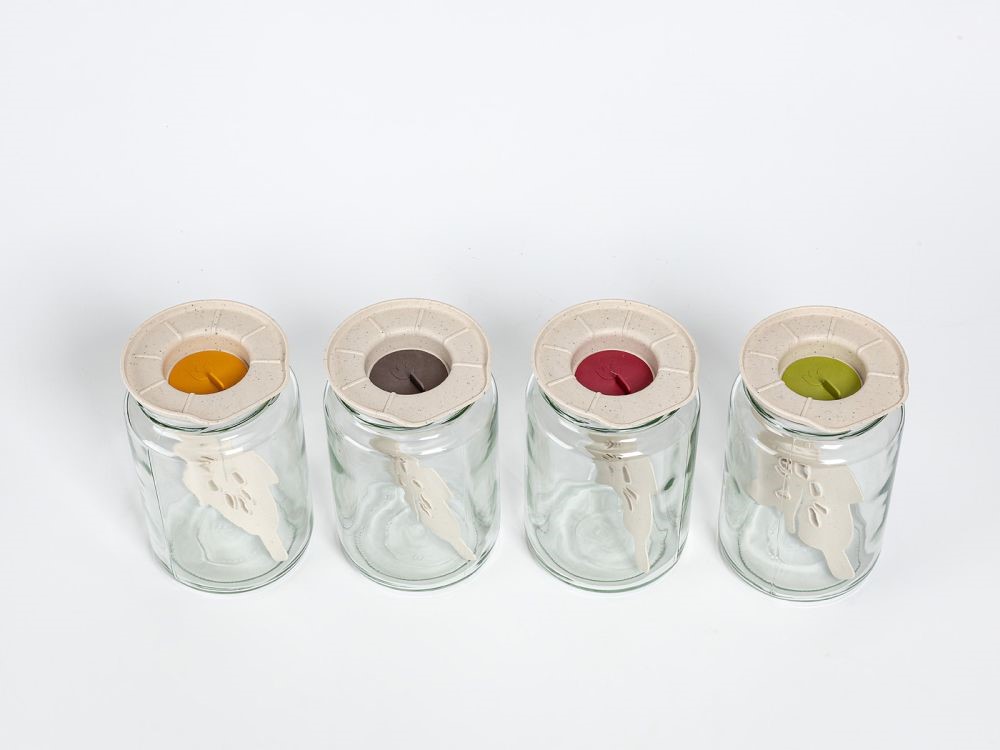
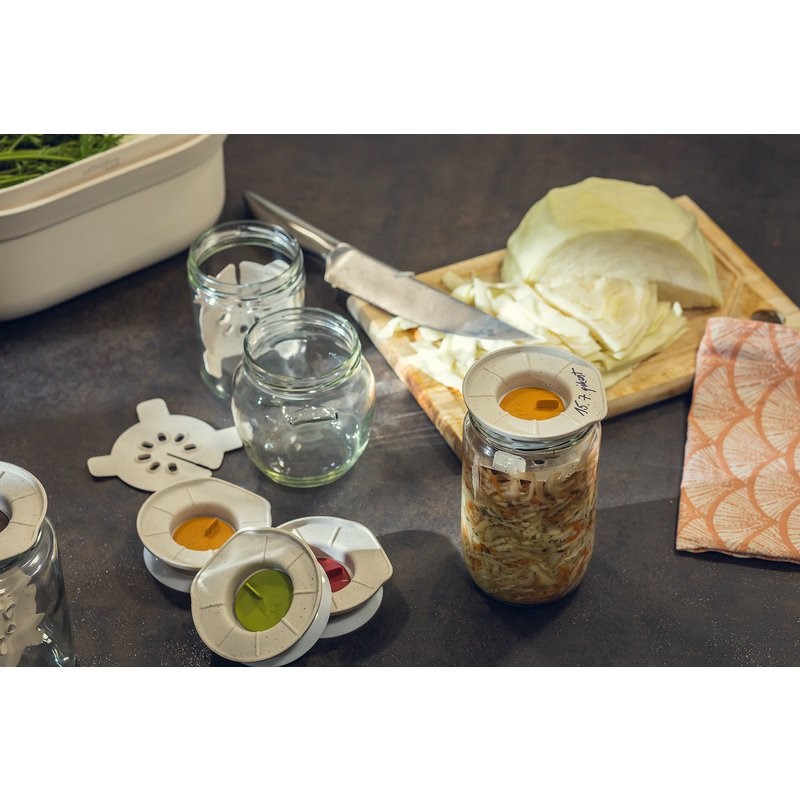
It is suitable for preparing homemade fermented foods. Foods suitable for fermentation include various types of vegetables, dairy products (kefir, yogurt) or bread sourdough. The lid has a special valve that releases CO2 from the jar during the fermentation process and at the same time prevents air from entering. The product also includes a flexible pressure insert that keeps the vegetables below the brine level throughout the fermentation process.
Procedure:
1. Chop or grate the vegetables, season and place in a glass. 2. Press the vegetables 2 cm below the rim of the glass. 3. Add water so that the level is slightly above the vegetables. 4. Cover the vegetables with a larger leaf or slice of vegetable
5. Place the pressure insert on the ingredients so that the stops rest against the top of the jar. 6. Close the jar with the fermentation lid. 7. Let the vegetables ferment for a few days. After the fermentation process is complete, store the jar with the fermented contents in the refrigerator.
Tip: During fermentation, ensure hand hygiene and the cleanliness of all equipment used. Liquid may leak during the fermentation process, in which case place a saucer under the glass.
Advantages:
The lid has ribs on the top, allowing carbon dioxide to be released even when the jars are stacked on top of each other, helping to maintain the correct fermentation process. The horizontal surface can be used to describe the contents or record the date of fermentation (use an erasable marker when writing).
Suitable for jars with a volume of: 3680, 3720ml, cap size 100
What does it mean that the product was made: with coffee grounds?
The resulting product appearance was created by mixing the original material and an admixture of coffee grounds (5%), which is responsible for the visual graininess and subtle coloring.
Maintenance and cleaning:
Wash all parts with warm water with a drop of detergent, rinse thoroughly and dry. The fermentation lid can also be washed in the dishwasher at a temperature of up to 50 °C.
Material:
The product is made of BPA FREE material suitable for contact with food.
Disposal:
All components of the product must be disposed of in an environmentally friendly manner. Disposal must be carried out in accordance with the law.
| Material | Plastic |
| Manufacturer / Supplier | PLASTIA |
PLASTIA Fermentační víčko s vložkou vel.100, plast, barvy mixPLASTIA Fermentační víčko s vložkou vel.100, plast, barvy mix_2PLASTIA Fermentační víčko s vložkou vel.100, plast, barvy mix_3PLASTIA Fermentační víčko s vložkou vel.100, plast, barvy mix_4PLASTIA Fermentační víčko s vložkou vel.100, plast, barvy mix_5PLASTIA Fermentační víčko s vložkou vel.100, plast, barvy mix_6


More information about our store
